
Comprehensive Aerospace Hydraulics Consulting: From Design to Maintenance
In today’s highly competitive aerospace industry, aircraft operators, manufacturers, and maintenance providers are under constant pressure to improve safety, enhance reliability, and reduce operating costs. One of the most critical yet often underappreciated systems on an aircraft is its hydraulic system. Aerospace hydraulics consulting provides essential expertise that helps organizations improve the performance, safety, and efficiency of these systems across their entire lifecycle.
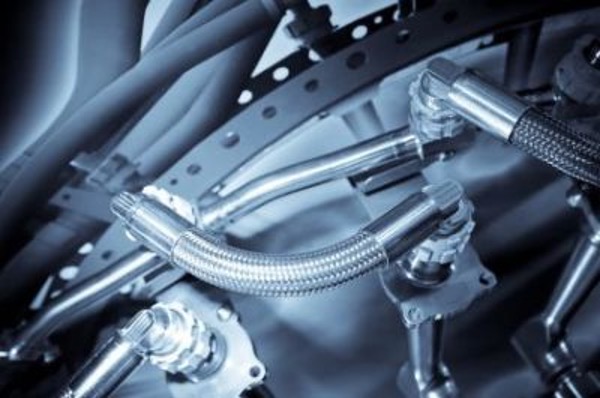
Hydraulic Systems at the Heart of Flight
Hydraulic systems in aircraft are responsible for performing vital tasks such as moving flight control surfaces, extending landing gear, operating thrust reversers, and deploying flaps. These systems must function flawlessly under extreme conditions, including high pressures, variable temperatures, and continuous vibration.
Due to the complexity and critical nature of these components, any failure can lead to flight delays, emergency landings, or costly repairs. This is where aerospace hydraulics consultants bring tremendous value—by preventing failures before they happen and optimizing system performance over time.
Reliability Through Expertise
Aerospace hydraulics consultants are specialists with deep knowledge of fluid power systems, aerospace standards, and mechanical design. They work closely with engineering teams to analyze existing hydraulic systems or develop new designs from the ground up. Their insights help improve system reliability, prevent wear and tear, and ensure long-term performance.
By using advanced diagnostic tools and failure mode analysis, consultants can identify the root causes of recurring hydraulic issues. They can then recommend component upgrades, design improvements, or maintenance changes that increase system durability and reduce unscheduled downtime.
Cost Reduction and Efficiency Gains
Consultants not only boost system reliability—they also help companies lower operational costs. By identifying inefficiencies in hydraulic circuits or selecting better-performing components, they can reduce weight, power consumption, and maintenance frequency.
This translates to lower fuel costs, fewer repairs, and longer service intervals, all of which have a direct impact on profitability. In fleet operations, even small efficiency gains across dozens of aircraft can result in substantial savings.
Training and Process Improvement
Beyond system design and troubleshooting, aerospace hydraulics consultants also assist in training maintenance teams, developing service manuals, and refining inspection procedures. Their involvement ensures that teams on the ground understand how to maintain systems properly and recognize early warning signs of failure.
They also contribute to quality assurance processes, ensuring that hydraulic components meet both industry regulations and internal performance standards.
Conclusion
aerospace hydraulics consulting offers more than just technical support—it provides a strategic advantage. By combining deep engineering expertise with an understanding of operational realities, consultants help aerospace organizations increase safety, minimize costs, and achieve long-term system reliability. As aircraft become more advanced and operational demands increase, the value of specialized hydraulic consulting continues to grow.

Leave a Reply